What Is Inkless Stretch Mark Treatment?
How it works, how it differs from microneedling, and who it is for.
If you’ve been researching stretch mark treatments, you may have come across the term “inkless” and wondered what it actually means. It is not microneedling, it is not laser, and it is not a tattoo. Here is a clear explanation of how inkless stretch mark revision works and why we built our entire studio around it.
Inkless revision, defined
Inkless stretch mark revision uses a professional needling device to create controlled micro-channels inside stretch mark tissue while simultaneously depositing specialized healing serums into the deeper layers of the skin. No ink. No pigment. Nothing is added to your skin’s color. The treatment works by triggering your body’s own wound-healing response exactly where the damage is.
The device: coverage and depth
Two details separate our equipment from anything cosmetic. First, coverage: our needle head uses a stacked configuration, four needles on top and three nested below, with essentially no space between them. Every pass treats a continuous line of tissue with nothing missed, which is why a single session can deliver the coverage of many sessions with spaced-needle devices. Second, depth: the device works at controlled, targeted depths inside the stretch mark itself. Deep enough to reach the torn tissue in the dermis, and no deeper, which protects the skin from the pigmentation problems that come with overly aggressive treatments.
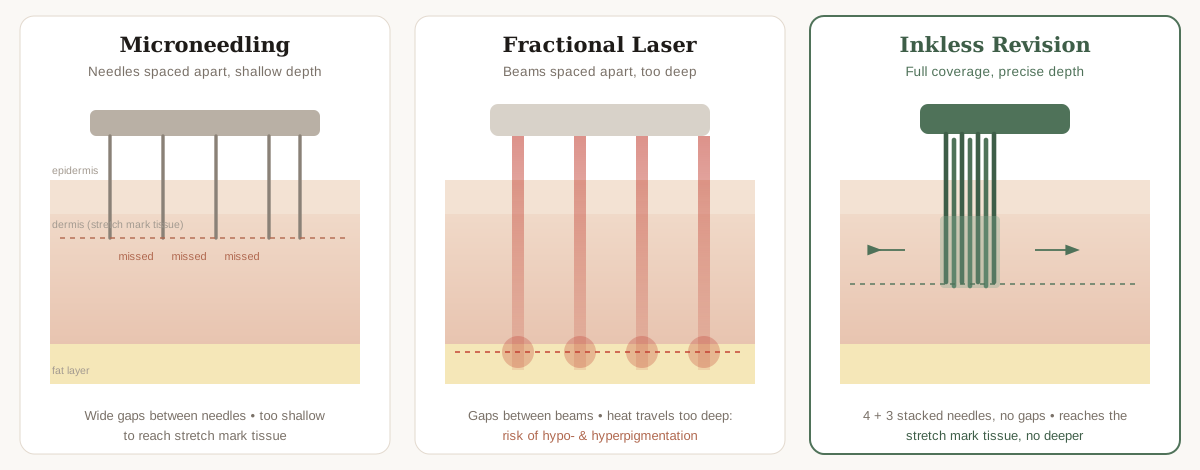
What happens inside the skin
A stretch mark is a tear in the dermis where collagen and elastin fibers snapped and healed thin. The micro-channels signal your body to restart repair in that exact spot, and the serums support the process. Over the following weeks, new collagen and elastin form inside the mark: texture smooths, indented marks fill toward level, edges soften, and natural repigmentation is encouraged because healthier tissue supports normal melanocyte activity.
What a session is like
Sessions run 45 to 90 minutes depending on the area. Most clients describe the sensation as a light scratch, very tolerable. Every session includes complimentary red light therapy to accelerate healing and support collagen production. Afterward the area is red and slightly swollen for a few days, then heals over 6 to 8 weeks. Full aftercare instructions are on our aftercare page.
How many sessions will I need?
There is no fixed number, because results depend on how your own skin rebuilds collagen and elastin. Some people notice visible improvement after a single session; others need a few sessions before the change starts to show. You will see the full result of each session once healing completes, usually 6 to 8 weeks, and we assess progress together after every one.
Why inkless instead of pigment or laser
Because nothing is added to your skin, there is zero color-mismatch risk, the treatment is safe for every skin tone from Fitzpatrick I through VI, results do not fade the way implanted color eventually does, and you can even tan the treated area once it heals. The improvement is your own tissue, which is why for many clients it is permanent.
Is it right for you?
Inkless revision works on white, silver, red, and purple stretch marks of any age, on the stomach, thighs, hips, breasts, buttocks, arms, and more. Certain medical conditions rule it out; the full candidacy list is on the treatment page. The honest way to find out is a free 15-minute video consultation: we look at your marks together and tell you what your skin can realistically achieve.
Ready to learn more?
Book a 15-minute consultation to discuss your specific situation. We’ll assess your skin, explain your options, and give you honest guidance.
Book a Free Consultation →